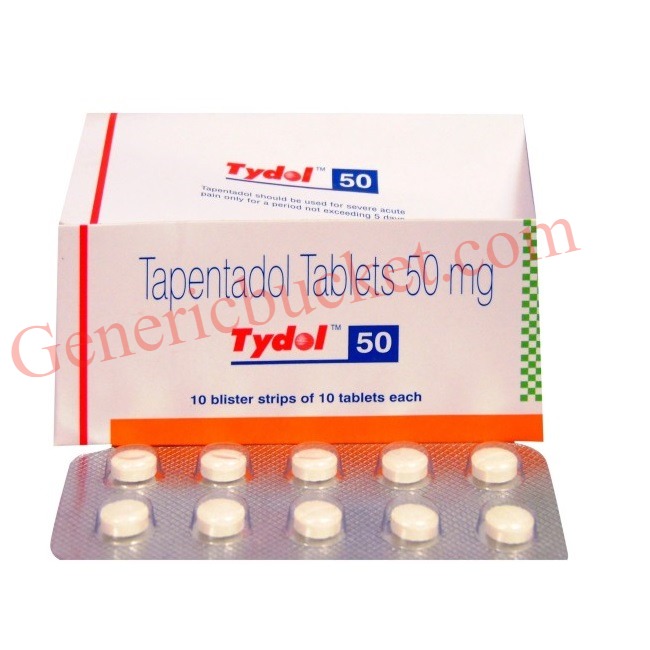
Tydol 50 Tablet: Understanding Tapentadol 50mg Tapentadol 50mg, a class II opioid analgesic, is the active ingredient in Tydol 50 Tablets. Tapentadol is generally used to treat moderate-to-severe pain, providing relief to patients with a range of acute and chronic pain disorders. Tydol is known for its two-pronged mechanism of action, which combines norepinephrine reuptake inhibition and mu-opioid receptor agonism to provide strong pain relief with maybe fewer side effects than conventional opioids. Indications for Use The use of Tydol 50 Tablet is recommended for the management of chronic pain disorders, including neuropathic pain, musculoskeletal pain, and moderate to severe acute pain. Because of its dual mechanism of action, tapentadol is an effective pain reliever for a wide range of pain etiologies, making it a flexible choice for medical professionals who treat patients with a variety of pain presentations. Tydol comes in tablets with an instant release, which means that it acts quickly to relieve pain. Dosage and Administration Adults should take 50 mg to 100 mg of Tydol 50 Tablet orally every 4 to 6 hours, as needed, to relieve discomfort. Depending on the degree of pain and each patient’s response, the dosage can be changed, with a daily maximum dose of no more than 700 mg. Tydol tablets ought to be ingested whole, with or without meals, along with a glass of water. In order to reduce the possibility of side effects and maximize pain management, it is imperative that you follow the recommended dosage and dosing schedule. Precautions and Warnings Healthcare practitioners should evaluate the patient’s medical history and potential risk factors prior to starting Tydol 50 Tablet treatment. Respiratory depression is a potential side effect of tapentadol, especially in older or disabled patients and those with underlying respiratory disorders. Patients should have their Tydol dosage changed in accordance with any evidence of respiratory depression, and they should be continuously watched for such signs. Furthermore, Tydol may impair cognitive function, induce sleepiness, and produce dizziness, which can make it difficult for the patient to accomplish tasks requiring mental attentiveness. It is best to warn patients not to drive or operate machinery until they have a better understanding of how Tydol affects them. Adverse Reactions Tydol 50 Tablet side effects frequently include nausea, vomiting, constipation, headaches, dizziness, and sleeplessness. When using the medication consistently or adjusting the dosage, these adverse effects—which are typically dose-dependent—may go away. Nevertheless, using tapentadol has been linked to major side effects such respiratory depression, hypotension, and convulsions. Patients should be made aware of the warning signs and symptoms of these dangerous side effects and advised to get help right once if they do. Drug Interactions Tydol 50 Tablet may interact with other drugs, changing their effectiveness or raising the possibility of negative side effects. Tapentadol use in combination with other CNS depressants, such as alcohol, benzodiazepines, and sedatives, can cause additive CNS depression, which can cause coma, hypotension, and respiratory depression. Tydol may also have an impact on the metabolism and clearance of tapentadol when used with drugs that either activate or inhibit cytochrome P450 enzymes. Before administering Tydol, medical professionals should carefully go over the patient’s list of medications and take any potential drug interactions into account. Special Populations Data regarding the usage of Tydol 50 Tablet in specific populations, such as pediatric patients, elderly patients, and pregnant or nursing women, are scarce. Use of tapentadol during pregnancy should only occur if the possible advantages outweigh the possible risks to the developing foetus. Since it is eliminated in human milk, breastfeeding is not advised while receiving therapy. Since tapentadol’s safety and effectiveness in treating pediatric patients are unknown, using medication in this population should be done with caution. Patients who are elderly may be more vulnerable to tapentadol’s side effects, including CNS and respiratory depression. Monitoring and Follow-Up Continual observation and follow-up are crucial aspects of Tydol 50mg Tablet therapy. Healthcare professionals should evaluate how the patient is responding to the prescribed medication, taking into account the degree of pain reduction and any side effects. It is imperative to monitor patients undergoing long-term tapentadol medication for indications of opioid use disorder, dependence, and tolerance in order to identify and address any potential side effects. For additional assessment and treatment, patients should be urged to notify their healthcare professional right once if they experience any new or worsening symptoms. Conclusion To sum up, Tydol 50mg Tablet, which contains 50mg of Tapentadol, is an effective medicine for treating moderate to severe acute and chronic pain. For many patients and medical professionals, it is the preferred choice because of its dual mechanism of action, which effectively relieves pain while possibly having fewer adverse effects than typical opioids. Healthcare professionals should keep a close eye on individuals on Tydol, nevertheless, as they may have negative side effects or drug interactions. In order to guarantee the safe and appropriate use of Tydol, patient education and counseling are crucial. This includes stressing the significance of medication compliance and the identification of adverse effects. All things considered, Tydol makes a big difference in the functional status and overall quality of life of those who are in pain.