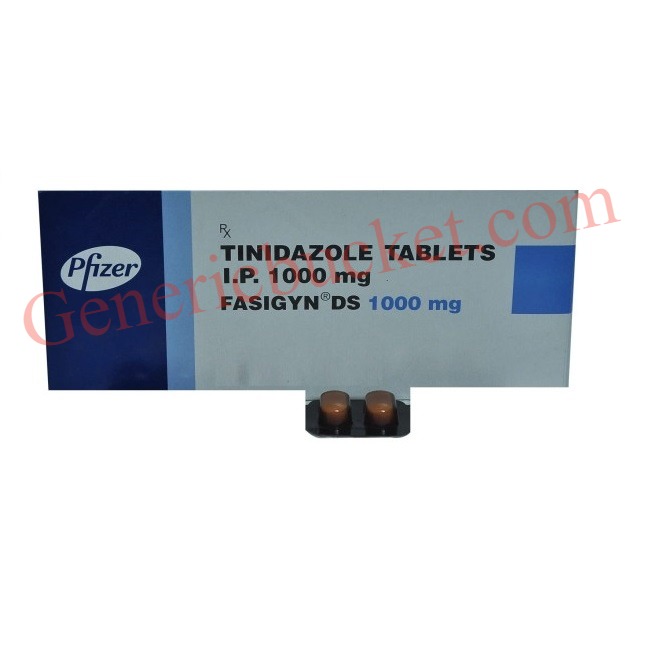
Fasigyn DS 1000mg Tablet: Understanding Tinidazole 1000 Tinidazole 1000mg is the active component in Fasigyn DS 1000 mg Tablets. It is a member of the nitroimidazole antibacterial agents class of drugs. Tinidazole is mainly used to treat illnesses brought on by specific kinds of parasites and bacteria. It functions by tampering with the bacteria’ DNA structure, which eventually results in their demise or growth inhibition. Many illnesses, such as trichomoniasis, giardiasis, amoebiasis, and bacterial vaginosis, are treated with Fasigyn DS. Indications for Use The 1000 mg Fasigyn DS tablet is recommended for the treatment of infections brought on by organisms that are susceptible. It is frequently recommended for bacterial vaginosis, which is an excess of dangerous bacteria in the vagina that can result in symptoms like itching, odor, and vaginal discharge. Furthermore, the protozoan parasite Trichomonas vaginalis causes trichomoniasis, a sexually transmitted infection that Fasigyn DS effectively combats. Additionally, it is used to treat amoebiasis, an intestinal infection brought on by the protozoan parasite Entamoeba histolytica, and giardiasis, an intestinal infection brought on by the parasite Giardia lamblia. Dosage and Administration Adults should take two pills, or 2g, of the Fasigyn DS 1000mg Tablet orally, preferably with food. If necessary, the treatment may be repeated after one to two weeks for illnesses such as trichomoniasis and amoebiasis. Chewing or crushing the tablets will not ensure maximum absorption and effectiveness; they should be consumed whole. Even if symptoms subside before the medicine is done, it is crucial to follow the doctor’s instructions for the entire course of therapy. Precautions and Warnings Healthcare professionals should evaluate the patient’s medical history and potential risk factors prior to starting therapy with Fasigyn DS 1000mg Tablet. Patients should be warned not to drive or operate equipment until they have a better understanding of how the medication affects them, as tinidazole may cause dizziness or drowsiness. Avoid alcohol throughout therapy and for at least 72 hours following the last tinidazole dose since it may cause a disulfiram-like reaction that includes headache, flushing, nausea, and vomiting. Fasigyn DS should be used cautiously by patients who have a history of blood disorders or neurological illnesses, as it may exacerbate these conditions. It’s crucial to take into account any possible drug interactions, especially while using prescriptions that either stimulate or inhibit the cytochrome P450 enzyme system. Adverse Reactions Fasigyn DS 1000mg Tablet side effects that are frequently reported include headache, nausea, metallic taste, dizziness, and gastrointestinal problems such vomiting, diarrhea, and stomach pain. Usually mild to moderate in intensity, these adverse effects go away on their own with continuing use or after the treatment is finished. However, using tinidazole has been linked to major side effects such allergic reactions, peripheral neuropathy, and seizures. Patients should be kept an eye out for any indications of these negative responses, and medication should be stopped if required. Drug Interactions The interaction between Fasigyn DS 1000mg Tablet and other drugs may change their effectiveness or raise the possibility of negative side effects. Tinidazole should not be used in conjunction with alcohol or alcohol-containing drugs in order to avoid a disulfiram-like response. Furthermore, there is a chance that tinidazole will intensify the effects of coumarin anticoagulants, which will raise the risk of bleeding. It might also have an impact on the metabolism and clearance of concurrent medicines and tinidazole when combined with treatments that activate or inhibit the cytochrome P450 enzyme system. Before administering Fasigyn DS, medical professionals should carefully go over the patient’s list of medications and take any potential drug interactions into account. Special Populations Data regarding the use of Fasigyn DS 1000mg Tablet in specific populations, such as pediatric patients, elderly patients, and pregnant or nursing women, are scarce. Tinidazole should only be administered during pregnancy if the possible advantages outweigh the possible risks to the developing foetus. Since it is eliminated in human milk, breastfeeding is not advised while receiving therapy. Tinidazole’s safety and effectiveness in treating pediatric patients are unknown, so using it in this population needs to be done with caution. Patients who are elderly may be more vulnerable to tinidazole’s negative effects, especially those that affect the central nervous system, like sleepiness and dizziness. Monitoring and Follow-Up Patients taking Fasigyn DS 1000mg Tablet should have their clinical response to medication and the remission of any infection-related symptoms closely observed during treatment. Follow-up testing could be required in cases of trichomoniasis and amoebiasis to ensure the parasites have been eradicated. In the event that treatment fails to alleviate symptoms, medical professionals ought to reconsider their diagnosis and explore substitute therapeutic approaches. Patients should also be instructed to report any worsening or new symptoms, as well as any negative side effects from treatment. Conclusion The useful drug Fasigyn DS 1000mg Tablet is used to treat a number of infections brought on by organisms that are vulnerable, such as amoebiasis, trichomoniasis, giardiasis, and bacterial vaginosis. Most people tolerate it well and find it to be a convenient dose schedule. Healthcare professionals should be aware of possible side effects and medication combinations when administering tinidazole therapy, though. In order to guarantee medication compliance and the identification of adverse events, patient education is crucial. All things considered, Fasigyn DS is essential for the treatment of infectious illnesses and enhances patient outcomes.