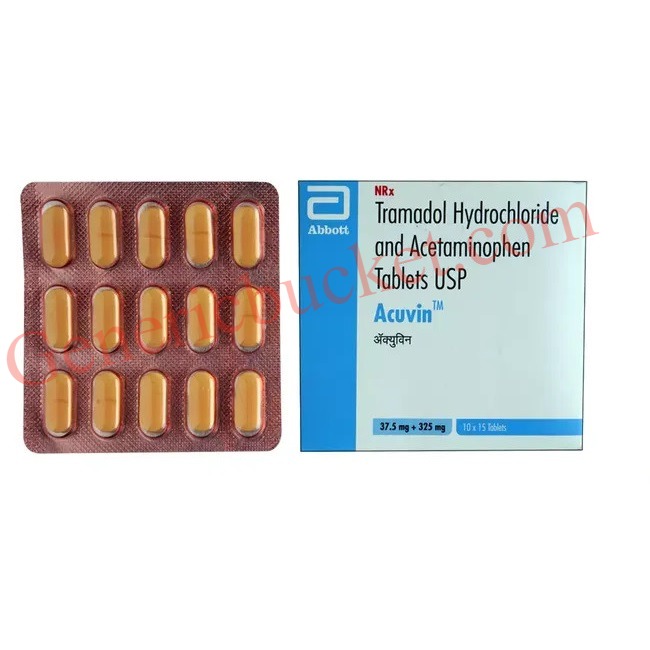
Acuvin Tablet: Understanding Paracetamol/Acetaminophen/Tramadol Combination Acetaminophen, sometimes referred to as paracetamol, and tramadol are the active components in Acuvin Tablet. This formulation effectively relieves pain by combining the opioid agonist action of Tramadol with the analgesic qualities of Paracetamol. With its dual mechanism of action, Acuvin is frequently prescribed for the treatment of moderate to severe pain, catering to different kinds of pain problems. Indications for Use Moderate to severe pain, including postoperative pain, musculoskeletal discomfort, neuropathic pain, and pain related to diseases like rheumatoid arthritis and osteoarthritis, can be treated with Acuvin Tablets. Acuvin is appropriate for a variety of pain etiologies since it targets distinct pain pathways and works in concert with Tramadol and Paracetamol to provide synergistic pain relief. Oral tablets containing Acuvin are available for easy administration and dosage. Dosage and Administration The degree of discomfort and each patient’s reaction to treatment will determine the appropriate dosage of Acuvin Tablet. Adults often begin taking one to two pills every four to six hours, as needed, to relieve pain; the daily maximum dosage is eight tablets. Following the proper dosage and timing of administration is crucial to preventing liver damage from occurring from taking more Paracetamol than is advised daily. Acuvin tablets can be taken with or without meals, however they should be consumed whole together with a glass of water. Precautions and Warnings Healthcare practitioners should evaluate the patient’s medical history and potential risk factors prior to starting Acuvin Tablet treatment. Respiratory depression is a potential side effect of tramadol, especially in elderly or disabled patients and those with underlying respiratory disorders. Patients should have their Acuvin dosage changed in accordance with any indicators of respiratory depression, which should be constantly monitored. Acuvin also contains paracetamol, which in people with underlying liver disease or in large amounts can be harmful to the liver. Patients should be informed about the dangers of overdosing and given instructions not to take more Acuvin than is prescribed. Adverse Reactions When using Acuvin Tablets, common side effects include headaches, nausea, vomiting, constipation, dizziness, and sleepiness. The majority of the time, these side effects are mild to moderate in intensity and go away with continuous use or dose adjustments. However, using Tramadol has been linked to major side effects such respiratory depression, serotonin syndrome, and allergic responses. It is recommended that patients get medical assistance in the event that they exhibit any indications or symptoms of these severe adverse effects. Drug Interactions Other drugs and Acuvin Tablets may interact, changing the medication’s effectiveness or raising the possibility of negative side effects. Combining Acuvin with other CNS depressants, such as alcohol, benzodiazepines, or sedatives, might cause additive CNS depression, which can cause coma, hypotension, and respiratory depression. Tramadol’s metabolism and clearance may be impacted by interactions with drugs that either activate or inhibit cytochrome P450 enzymes. Before prescribing Acuvin, medical professionals should carefully go over the patient’s list of medications and take any potential drug interactions into account. Special Populations Data regarding the usage of Acuvin Tablets in specific populations, such as pediatric patients, elderly patients, and pregnant or nursing women, are scarce. Using tramadol while pregnant is only advised if the possible advantages outweigh the possible risks to the developing foetus. Since it is eliminated in human milk, breastfeeding is not advised while receiving therapy. Since Acuvin’s safety and effectiveness in treating pediatric patients are unknown, using it in this population should be done with caution. Patients who are elderly may be more vulnerable to Tramadol’s side effects, especially CNS and respiratory depression. Monitoring and Follow-Up Continual observation and follow-up are crucial elements of Acuvin Tablet treatment. Healthcare professionals should evaluate how the patient is responding to the prescribed medication, taking into account the degree of pain reduction and any side effects. It is imperative to monitor patients undergoing long-term Acuvin therapy for indications of opioid use disorder, dependency, and tolerance in order to identify and address any potential side effects. For additional assessment and treatment, patients should be urged to notify their healthcare professional right once if they experience any new or worsening symptoms. Conclusion In conclusion, the combination drug Acuvin Tablet, which contains both Tramadol and Paracetamol, is used to treat moderate to severe pain. Because of its dual mechanism of action, it can effectively relieve a variety of pain problems, making it a useful tool for medical professionals who treat patients with a range of pain etiologies. Nonetheless, medical professionals need to keep a close eye on patients taking Acuvin to look for any possible drug interactions or side effects. To guarantee the safe and appropriate use of Acuvin, patient education and counseling are crucial. This includes teaching patients how to recognize bad responses and how important it is to stick to their treatment plan. All things considered, Acuvin is a big help to those who are in pain when it comes to their functional status and quality of life.